Antwone Fisher (2002) or How One Man Was Saved by the Navy

Some movies don’t work for some people. This one did not work for me. If I hadn’t been so tired yesterday, I would never have promised a post. Maybe no one cares if I keep my promise. I don’t know, but I care. Just one little thing about the statement on the DVD cover “This is a film that can change people’s lives”. I agree. I slept incredibly well afterwards.

I am a bit sorry for being this sarcastic. Antwone Fisher tackles a topic we need to talk about, namely child abuse. If this movie manages to raise awareness, then I am sorry for my comments, but for me this was done in such an over-sentimental way… Insufferable.

Antwone Fisher is based on a true story. Antwone wrote the script himself.

Antwone (Derek Luke) was born in prison, shortly after his father had been shot dead by one of his girl-friends. The boy was taken away and given in foster care. A hellish place. He was beaten and abused. Sexually and psychologically. At 16 he is sent to a men’s shelter but he does not stay. He flees and joins the Navy. He likes it there a great deal but he has problems fitting in. He has what we term today “an Anger Management problem”. Lucky Antwone has a very kind superior officer and is sent to a Navy psychologist (Denzel Washington) with issues of his own. At first he won’t talk but then he opens up and has a real chance to heal. The psychologist urges him to find his family and in the end he does. During the sessions with the psychologist we hear the truly awful story.

There is also a love story involved. It is ok. I did not mind it as much as all the other corny details.

What is actually more interesting than the movie  – which is frankly a total failure what might explain why I hadn’t heard of it – is the extras on the disc. The real Antwone tells that the Navy was his first real home. It gave him a chance and opportunities to build up self-esteem and confidence. This is a picture of the Navy that we seldom get to see. At least over here in Europe where we are highly suspicious whenever anything to do with the American military is mentioned. It is still widely believed that the military is a place for those who have no other choice and where they might get worse than they already are. The film director is also interviewed and says that all the officers they met on the ships were kind and intelligent people and nothing like the abusive bastards we often get to see in movies.

All in all, thanks to the extras, this soppy movie has broadened my horizon a little bit.

One last element I would like to mention before finishing this post. Antwone is an African-American kid. His foster family is African-American and so is the psychologist. What the psychologist actually tells Antwone in the beginning is that the abusive behavior (the beating, not the sex) is an inheritance from the slavery days. It is passed on from one generation to the next. Rightly Antwone protests, saying that this sounded like an easy excuse. I believe, this is giving the wrong message. Child abuse is universal. Sadly it is extremely common everywhere.

I am glad for Antwone that he survived his childhood and became a very gentle and creative person. He writes poems, draws and, as already said, wrote the script himself.

Antwone Fisher

Friday Night Watching: Antwone Fisher (2002)

Until last week I had never heard of this movie before.

In order to be a 100% sure if Antwone Fisher is good or not I will have to watch it. And that is what I am going to do tonight. And hopefully I will post a review tomorrow.

The Messenger (2009) or Fighting, Dying, Notifying

Some people say that The Messenger should have won the Academy Award instead of  The Hurt Locker. It is very possible that they are right.

As long as there are wars there will be fighting. As long as there is fighting there will be dying. And as long as people die in combat someone will have to notify the families. This difficult duty is the job of the Casualty Notification Officer. The Messenger explores this difficult task. To notify people is difficult for many reasons. Some are devastated and the their grief is unbearably raw. Others can´t even accept it. Some turn against the messenger, some are openly aggressive. Some are kind and caring.

Staff Sergeant Will Montgomery (Ben Foster) comes back from a tour in Iraq badly injured. He is said to be a hero even though he can’t accept this. He gets appointed to assist Captain Tony Stone (Woody Harrelson) who has done the job as Casualty Notification Officer for a very long time. He tells Will to strictly follow procedures. Don´t touch the relatives. Inform them directly. Be clear and precise and leave again.

The first job they get is already a harrowing one and Will realises that it might be even more difficult than he thought it would be. After their job is done, they go for a drink. Tony is a AA, so all he drinks is hot water with lemon. He asks Will very direct questions about everything. At first Will is reluctant to answer but he has no choice.

One day the two have to inform a young woman of the death of her husband. Will is very touched by her and her reaction and contacts her again later and they start to form a bond.

There are many different stories and storylines that are interwoven which is the strength of this movie. In it´s essence I would say, yes, this is a movie about war, but it is even more a movie about relationships. Deep relationships. Each and every single person in this movie carries a deep wound, either physical or psychological. Injuries, heartbreak, loss, betrayal. They have endured a lot and try to cope and heal by opening up to each other.

Ben Foster and Woody Harrelson are remarkable. Remarkable is actually and understatement.

I think The Messenger achieves a very rare thing. It gives us real people. Courageous and open people. And it says a lot of profound things about war and its consequences. Ultimately when there is a war, there will be death and dying. No one should forget this.

WWII Film Pictures Quiz 8

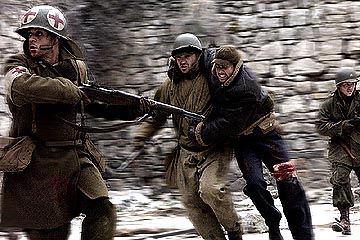
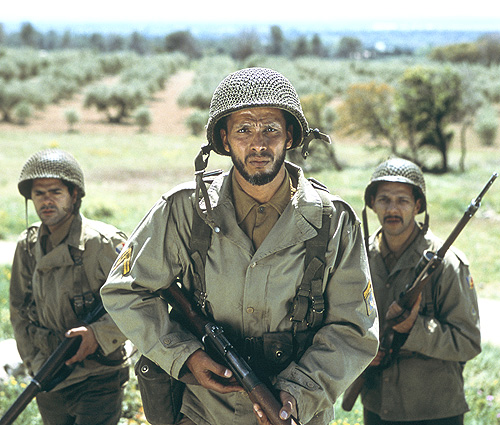
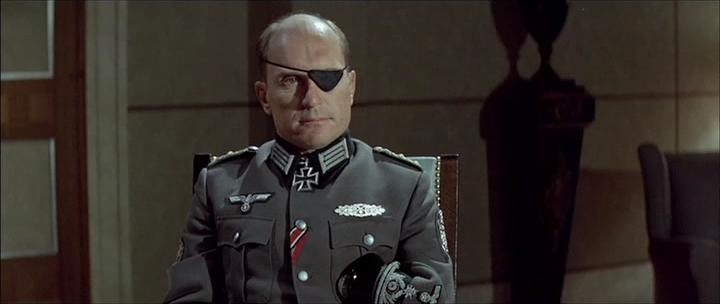
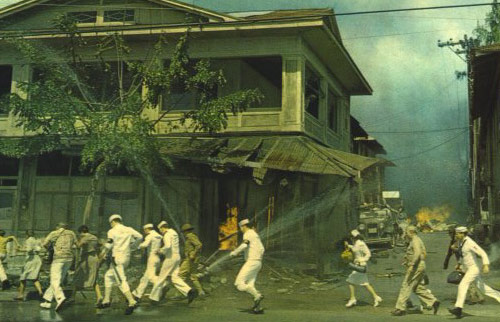
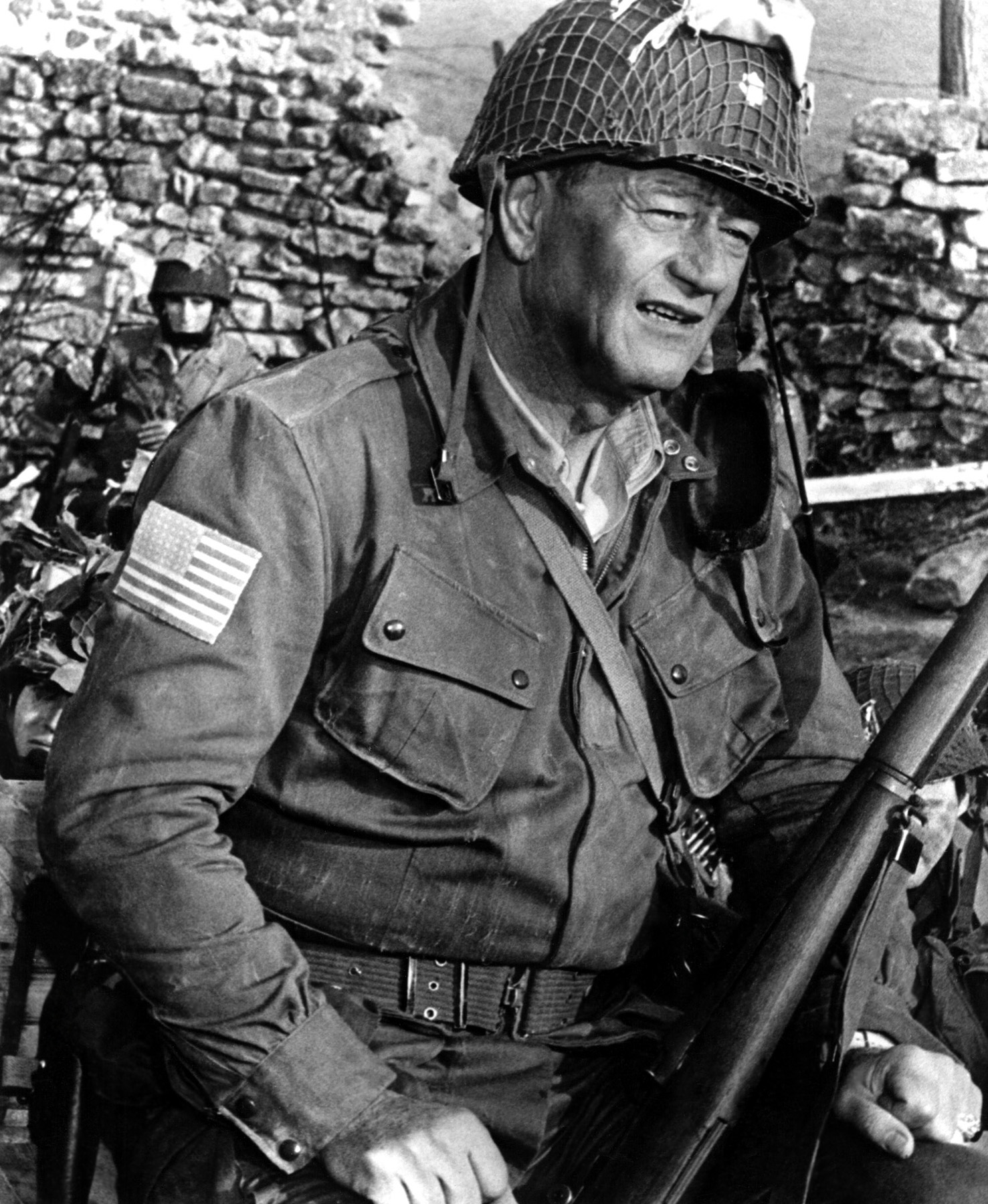
It´s been a while since I posted the last quiz and even longer since I posted the last movie pictures quiz. I am afraid it is not a very difficult one since many of the movies I chose are very well known. That´s why I won´t make a list of all the titles. Just the picture and the solution below. Have fun and don´t cheat. And, yes, the picture above is taken from The Longest Day and is not part of the quiz.

Movie 1

Movie 2

Movie 3

Movie 4

Movie 5

Movie 6

Movie 7

Movie 8

Movie 9

Movie 10

Costa-Gavras’ Music Box (1989) A Court Room Drama About War Criminals

Music Box is not a war movie in the strict sense of the term, especially not since it takes place some 40 years after the war. But it is about what happened to war criminals after the war. The one or the other is still caught today. Many tried to hide in distant countries. Some live in South America but there are certainly also a lot in the US. Since I want to watch Der Stellvertreter aka Amen by Costa-Gavras, I thought it might be interesting to re-watch this one before. I remembered that it moved me quite a bit when I saw it for the first time. I found it totally gripping. As much of the suspense comes from the question whether or not the accused committed the crimes I could concentrate on other elements this time.

Just imagine for one second, someone told you, your mother, or your father was a war criminal. He is said to have left the country shortly after the war and gone to the US where he led an exemplary life as a devoted father, able worker and much liked colleague. Imagine the two of you had a very close relationship. You love the stories your father tells you about his childhood and his youth, the horrors of the war and how he managed to flee to a more welcoming country. Your son adores him, your in-laws respect him. But then, one day, the US government accuses him of being a monster and wants to extradite him to Hungary where he would be judged. That is the story of Music Box. Ann Talbot’s (Jessica Lange) father, Viktor Laszlo, a Hungarian immigrant is accused of having committed war crimes. Ann is a successful lawyer and decides, after some initial reluctance, to defend her father. She doesn’t doubt for one second that he is innocent and soon she is able to prove that there have been wrong accusations before, that the Communist countries often try to get at those who fled from them. She is outraged by the injustice that is done to her father and equally shocked by the crimes, the man who is called Mischka, has committed. Torture, executions and rape. But what is the worst he is accused of is the fact that he showed no mercy, compassion or any other signs of empathy. Mischka enjoyed what he did. Much of it took place on the banks of the Danube in Budapest, near the famous Chain Bridge. One of the last parts of this gripping court-room drama takes place in Budapest. A nice addition to the movie. Budapest is a town I am particularly fond of but when I had seen the movie for the first time, I hadn’t been there yet. I didn’t even remember that part of it was filmed there.

Jessica Lange, Armin Mueller-Stahl and Frederic Forrest, the main actors are fantastic. Armin Mueller-Stahl is one of the very great German actors. I have often problems when actors fake an accent but he does it well.

For one reason or the other, I always compare Music Box to Sophie’s Choice. I find them both equally convincing from a psychlogical point of view. Both have outstanding female actresses in main roles. And they both have this typical 80ies feel.

I was wondering how I would rate this movie. It is interesting and gripping, psychlogically accurate but doesn’t deserve 5/5. It is somewhere between 4 and 4.5 because it is a tad too sentimental.