My Favourite War Movie All-star Cast: The Thin Red Line (1998)

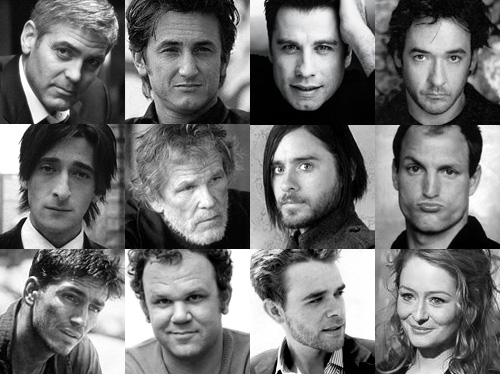
Due to its nature the war movie genre is rich in movies with all-star casts. There are many that I like. I was looking through the casts of quite a few and in the end I was not sure if I did prefer the cast of Black Hawk Down or the one of  The Thin Red Line. Finally, making a very thorough comparison, including also minor roles, my winner  is The Thin Red Line. There is only one actor I am not keen one and he may very well be the reason why some people do not appreciate The Thin Red Line. I am talking about the fanatic pro-lifer James Caviezel.  But look at all the others and then tell me that you do not think this is an astonishing group of actors that has come together in one movie.

James Caviezel (The Passion of the Christ)

Nick Nolte (The Prince of Tides, Cape Fear)

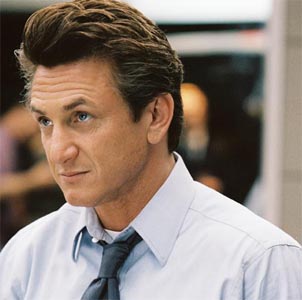
Sean Penn (Dead Man Walking, Mystic River)
John Cusack (High Fidelity, 2012)

Elias Koteas (Shooter, Shutter Island)

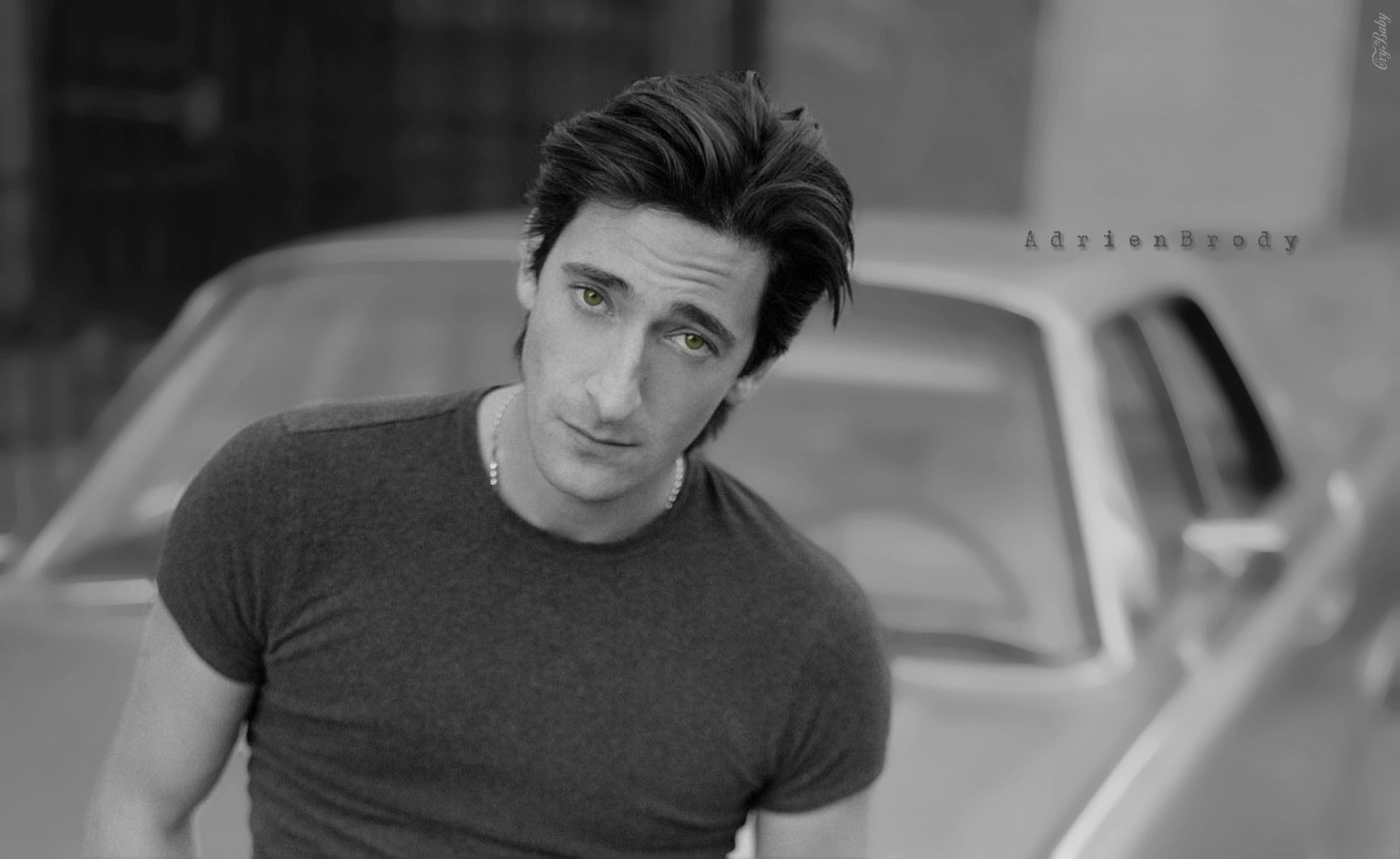
Adrien Brody (The Pianist, King Kong)
Nick Stahl (Sin City, In the Bedroom)
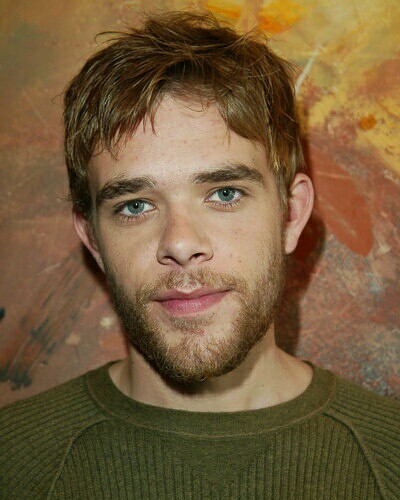
John. C. Reilly (Gangs of New York, Magnolia)

Woody Harrelson (Natural Born  Killers, The Messenger)

John Travolta (Pulp Fiction,Love Song for Bobby Long)

Ben Chaplin (Murder by Numbers, The Remains of the Day)

George Clooney (Oceans Eleven, O Brother, Where Art Thou?)
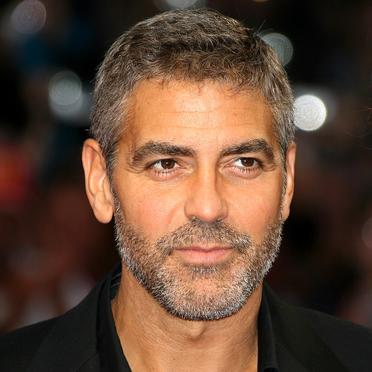
Jared Leto (Requiem for a Dream, Alexander, The Fight Club)
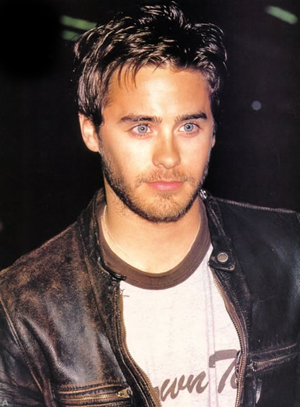
Miranda Otto (Lord of The Rings, War of the Worlds)

and many , many more.

Which is your favourite all-star cast? The Longest Day? A Bridge Too Far? The Great Escape or The Dirty Dozen?

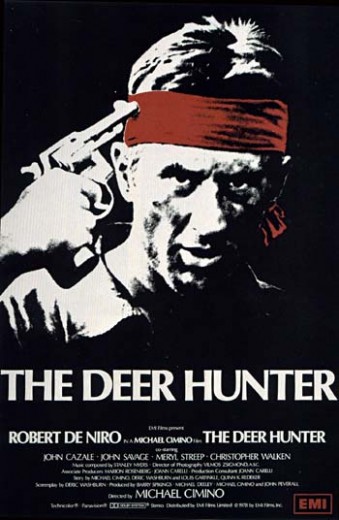
Remembering The Deer Hunter (1978)

Isn´t it weird sometimes what we remember about certain movies? I don´t know when it was, but I think it must have been a very long time ago, that I watched The Deer Hunter for the first time. Looking back the only thing I did remember was the Russian roulette scene and the cage that was submersed in water. I didn’t remember any combat scenes and nothing that went on before they volunteered or after they returned from the  war. What actually happened is that  my memory turned The Deer Hunter into a pure POW movie.

I finally watched it again and was surprised. I saw a totally new movie. Powerful is the best word to describe it, even though this does it little justice. Sure, what I remembered was still there but it shrank considerably and took up less than a tenth of the whole movie. Strange I think,  because since I have seen it again I must say, yes, the roulette scene, the whole POW part is maybe the most impressive but it is not the most important. And it is totally fictious. It is as if Michael Cimino had chosen to show the war in this way because he thought facts would not be drastic enough. Looking at all the other Vietnam war movies that have been done since I must say that especially because of these scenes The Deer Hunter is not the best Vietnam war movie there is but it is one of the more original ones. And it is an extraordinarily good movie about a certain type of people and how they were affected by the war.

What I will remember from now on is young men who live in a grim industrial town. They are second generation  Russian immigrants who are enthusiastic and idealistic and want to fight for their country not knowing what they get themselves into. A bunch of friends for whom life only just begun and whose dreams will be shattered for ever. Who return having left the easy-going, careless “Deer Hunter”-personality behind. They are completely changed and broken and we ask ourselves at the end : is there still enough left of them to begin a new life?

It is not my favourite Vietnam movie but it  ranks high up among the 10 best as I stated before (see my list 10 Vietnam War Movies You Must See Before You Die ).

What about you? Which is the part you like best about The Deer Hunter. Would it have been possible to leave the roulette part out altogether? How high would you rank it within the 10 best Vietnam war movies and how high within the best including every war/subgenre?

Obnoxious and Unlikable War Movie Characters

I was thinking today, why shouldn´t  I write a post on the war movie characters I hate most? Obviously I am not talking bad acting here. On the very contrary, it is maybe more difficult to play a truly unlikable and obnoxious character. A true bully or a monster like Hitler. Bruno Ganz who stars as Hitler in The Downfall aka Der Untergang apparently refused the role at first whereas I believe I remember having read, Anthony Hopkins found his role in The Bunker to be particularly challenging and he did enjoy such a challenge.

But apart from  extreme  evil historical people like Hitler, there are numerous mean characters populating war movies. The list I made are those that came to my mind easily, those I will never forget, no matter how many years have passed since I last saw the movie. Often those really evil people are paired with good ones like in Platoon, Casualties of War and Cross of Iron.

Here´s my list of war movie impersonations of meanness or just plain unlikable geeks.

Gny. Sgt Hartman (R. Lee Ermey) in Full Metal Jacket. THE Boot Camp Devil.

Herbert M. Sobel (David Schwimmer) in Band of Brothers. Mean and dumb.

Sgt Barnes (Tom Berenger) in Platoon. How evil and sadistic can you possibly be?

Lt. Bruno Stachel (George Peppard) in The Blue Max. Over ambitious with and inferiority complex. An annoyingly obnoxious arriviste.

Cpt Hauptmann Stransky (Maximilian Schell) in Cross of Iron. A conceited, arrogant upper-class Prussian officer.

Sgt. Tony Meserve (Sean Penn) in Casualties of War. An abusive rapist.

Lance Cpl Harold James Trombley (Billy Lush) in Generation Kill. Total lack of feeling, an empty shell.

I am not sure which one I consider to be the worst. I guess either Sgt. Barnes or Hauptmann Stransky.

I am sure the world of war movies contains many more bad people than those I just mentioned. Who is your most hated character?

Do Women prefer The Pacific to Band of Brothers?

In an interview Dale Dye, a military advisor for many war  movies, was asked why The Pacific had many female viewers and here is his explanation for that fact.

“By telling a story that reflects the thousands of whirlwind wartime romances that happened during World War II. There’s this great desperation element—I might get killed in the next six weeks, we’ve got to get married now—and females really identify with that. They get it.” (Dale Dye in The Atlantic)

He also believes that the love story between the two soldiers John Basilone and Lena Riggi made women like it.

Aha? So it is only the romance that makes women appreciate The Pacific? Could it not be that it has more to do with the fact that there are simply more women in The Pacific than in Band of Brothers?And that there is a whole psychological dimension in The Pacific, with all its tales of post-traumatic stress, that might appeal to women?

I would love some comments. Do women like The Pacific? Do they prefer it to Band of  Brothers? Or did they even like both?

Some Reflections on Nigerian History and Why I think Tears of the Sun (2003) is Problematic

Tears of the Sun shows a Navy Seal Commander Lieutenant Waters (Bruce Willis) struggle with his conscience. During the outbreak of a war in Nigeria he is sent to rescue an American doctor (Monica Belucci). However the doctor refuses to leave without the villagers who are surely killed if no one cares to bring them to a refugee camp. The question is now, will the callous, hardened Lt help those civilians or will he merely follow orders? His conversion towards an emphatic being is not completely convincing but that is not the main problem.

The action, fighting, emotions are very intense and in so far it is good entertainment for action buffs. My problem starts when this is called a war movie. We should only call a movie a war movie when the action is based on a known conflict. The war that we  are shown in Tears of the Sun did not take place, it is purely fictitious. Furthermore why invent a war? I think this is highly questionable. And why invent a Nigerian war? One film critic, A.O. Scott, even stated that Nigeria was a bad choice since it had been spared such a civil war unlike other surrounding countries. Don´t get me wrong, Scott does not defend this movie, but he only criticised the choice of inventing a war while his misconception of the existence of a Nigerian Civil War shows the core problem. The whole story reveals how very problematic it is to invent wars when even people as well-informed as A.O Scott haven totally forgotten that Nigeria was once the place of one of the most cruel and horrible civil wars, namely the Nigerian-Biafran War. To me it seems as if in inventing such a war we erase the memory of the actual war.

But even if we have forgotten this war, we have not forgotten the pictures of the starving Biafran children.

I just would like to take the opportunity to show some respect for the people who suffered in those wars we may have forgotten.

Should you be interested in reading a novel about the war in Biafra I would recommend Chimamanda Ngozi Adichie´s novel Half of a Yellow Sun or her shorty story with the same name that you can read here  Half of a Yellow Sun Short Story.

What are your thoughts? Do you think it is not problematic to invent a war?